
Electric Vehicles: A Strategic Alternative in an Era of Oil Wars
The ongoing conflict involving the United States, Israel, and Iran has once again exposed a long-standing vulnerability in the global energy system: the world’s heavy dependence on hydrocarbon fuels. As tensions escalate in the Middle East, oil supply routes have been disrupted and prices have surged, reminding governments and citizens alike that petroleum-based transportation remains tightly tied to geopolitics and conflict.
A major flashpoint has been the strategic waterway known as the Strait of Hormuz, through which a significant share of the world’s oil shipments normally passes. Military actions and retaliatory threats in the region have reduced shipping flows dramatically, driving oil prices upward and raising fears of a prolonged global energy crisis.
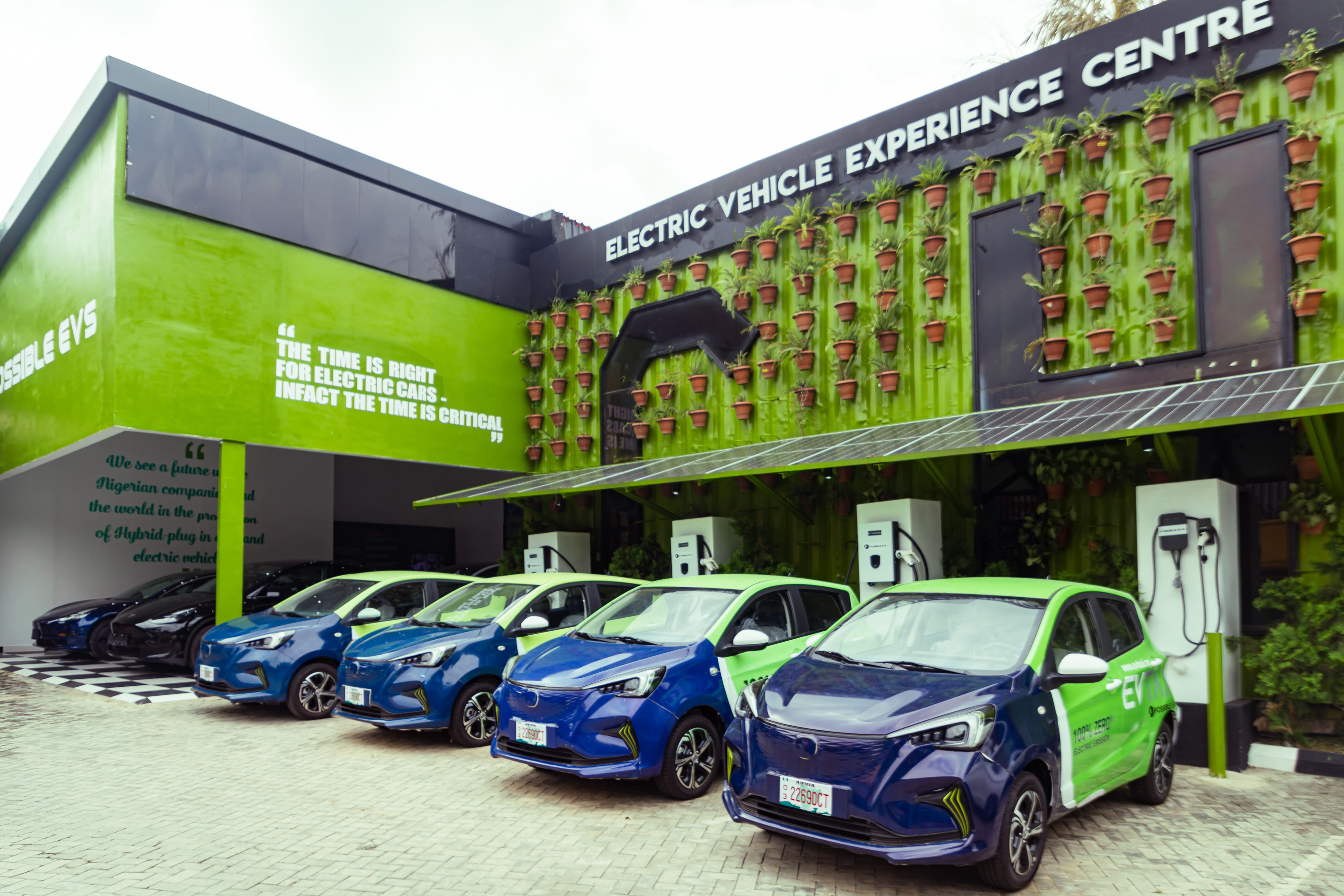
These developments highlight why many analysts believe the transition to electric mobility is no longer only an environmental issue but also a matter of energy security. Electric vehicles (EVs), powered by electricity rather than petrol or diesel, can be fueled by domestic energy sources such as solar, wind, hydroelectric power, or nuclear energy. Unlike hydrocarbon-powered vehicles, EVs do not depend on imported crude oil or vulnerable maritime supply routes.
Historically, wars in oil-producing regions have triggered global fuel price shocks. The current conflict is repeating that pattern, with crude oil prices already surging above $100 per barrel in some markets and potentially rising further if disruptions continue. Such volatility directly affects transportation costs, logistics, and the daily lives of millions of people worldwide.
Electric vehicles offer a pathway to break this cycle. As electricity can be generated locally, countries that invest in renewable energy infrastructure can power transportation systems without relying heavily on foreign oil. In addition, EV technology is advancing rapidly, with improvements in battery efficiency, charging infrastructure, and vehicle range making electric mobility increasingly practical for everyday use.
Beyond energy security, EV adoption could also help stabilize economies during geopolitical crises. When oil prices spike, the operating cost of petrol vehicles rises sharply. Electric vehicles, however, remain largely insulated from oil price shocks because their energy source is electricity rather than refined petroleum.
While electric vehicles may not replace hydrocarbon vehicles overnight, the strategic lessons from current global tensions are clear. The more transportation systems rely on electricity generated from diversified energy sources, the less vulnerable they become to geopolitical conflicts over oil.
In a world where energy and security are increasingly intertwined, electric mobility may represent not just a technological shift but a geopolitical one—moving transportation away from the uncertainties of oil wars toward a more stable and sustainable future.