
Powering Connectivity: Why Nigeria’s Telecom Industry Must Invest in Energy Infrastructure.
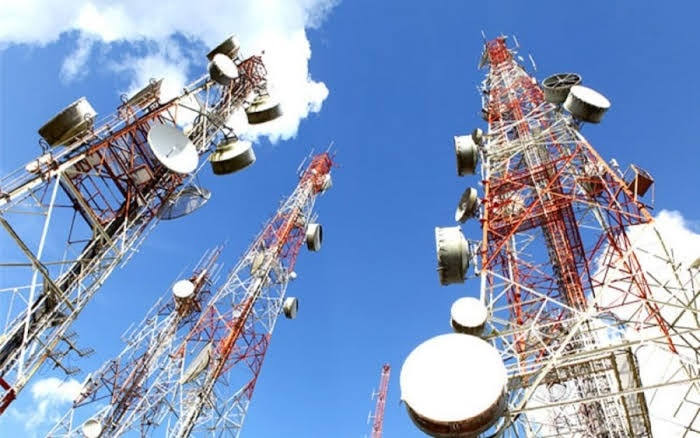
Nigeria’s telecommunications industry has become the backbone of the country’s digital economy, supporting banking, commerce, education, and national security. Yet behind the seamless phone calls and internet connectivity lies a costly reality: telecom operators in Nigeria spend over one billion dollars every year on diesel simply to keep their network sites running.
Across the country, thousands of base stations depend on diesel generators due to the persistent unreliability of the national power grid. For network operators, electricity is not optional—every tower, data center, and switching facility must remain powered 24 hours a day to ensure uninterrupted service. When the grid fails, generators immediately take over. The result is an enormous and recurring operational expense.
From a network infrastructure perspective, this situation represents not only a financial burden but also a missed strategic opportunity. The capital currently spent on diesel is largely a survival cost rather than an investment. If properly structured and redirected, a significant portion of this expenditure could instead be used to develop sustainable power solutions that would strengthen both the telecommunications sector and the national energy landscape.
Telecommunications companies collectively operate tens of thousands of sites nationwide. If the industry were to channel part of its annual diesel expenditure into dedicated power infrastructure, such as solar hybrid systems, battery storage networks, or independent power projects, the long-term benefits would be substantial. Reduced operational costs, improved network reliability, and lower environmental impact would follow.
Furthermore, with coordinated investment, telecom operators could become major stakeholders in decentralized energy generation. Rather than continuously purchasing diesel, they could own and control the energy infrastructure that powers their networks. Such an approach would convert recurring operational expenses into strategic capital investments.
The impact would extend beyond telecommunications. Distributed power systems built to support telecom networks could also benefit nearby communities, businesses, and digital service providers. In effect, infrastructure originally designed to keep mobile networks online could contribute to broader energy resilience across the country.
Nigeria’s telecommunications sector has already demonstrated its ability to transform industries and drive economic growth. The next transformation may lie not only in faster networks or wider coverage, but in rethinking how the industry powers itself.
At a time when billions of dollars are spent simply coping with unreliable electricity, the real opportunity may be to invest in fixing the problem at its source. By turning operational costs into infrastructure investments, Nigeria’s telecom industry could help power both its networks—and the nation’s future.